Furniture Styles Guide: Transitional, Desert Modern and Southwest

Quick answer: The main furniture styles are traditional (carved details, rich woods), transitional (traditional shapes with clean, simple lines), modern and mid-century modern (clean lines, tapered legs), contemporary (whatever is current), rustic and farmhouse (natural, weathered finishes) and Southwest (warm earth tones and regional materials). Many Arizona homes are furnished in transitional or desert modern style: relaxed, light-filled and rooted in natural materials, rather than themed.
When Tom and Carol Brandt moved from Minneapolis to Arrowhead, Carol decided their new home should feel like Arizona. Within a month, the great room had a terracotta lamp, a cactus-print throw pillow, a wrought iron sun on the wall and a few more pieces in the same spirit. Seven, by Tom's count. Next to their traditional Minnesota furniture, it looked less like Arizona and more like a gift shop.
That's an understandable starting point. Southwest style is the look most people picture when they think of Arizona.
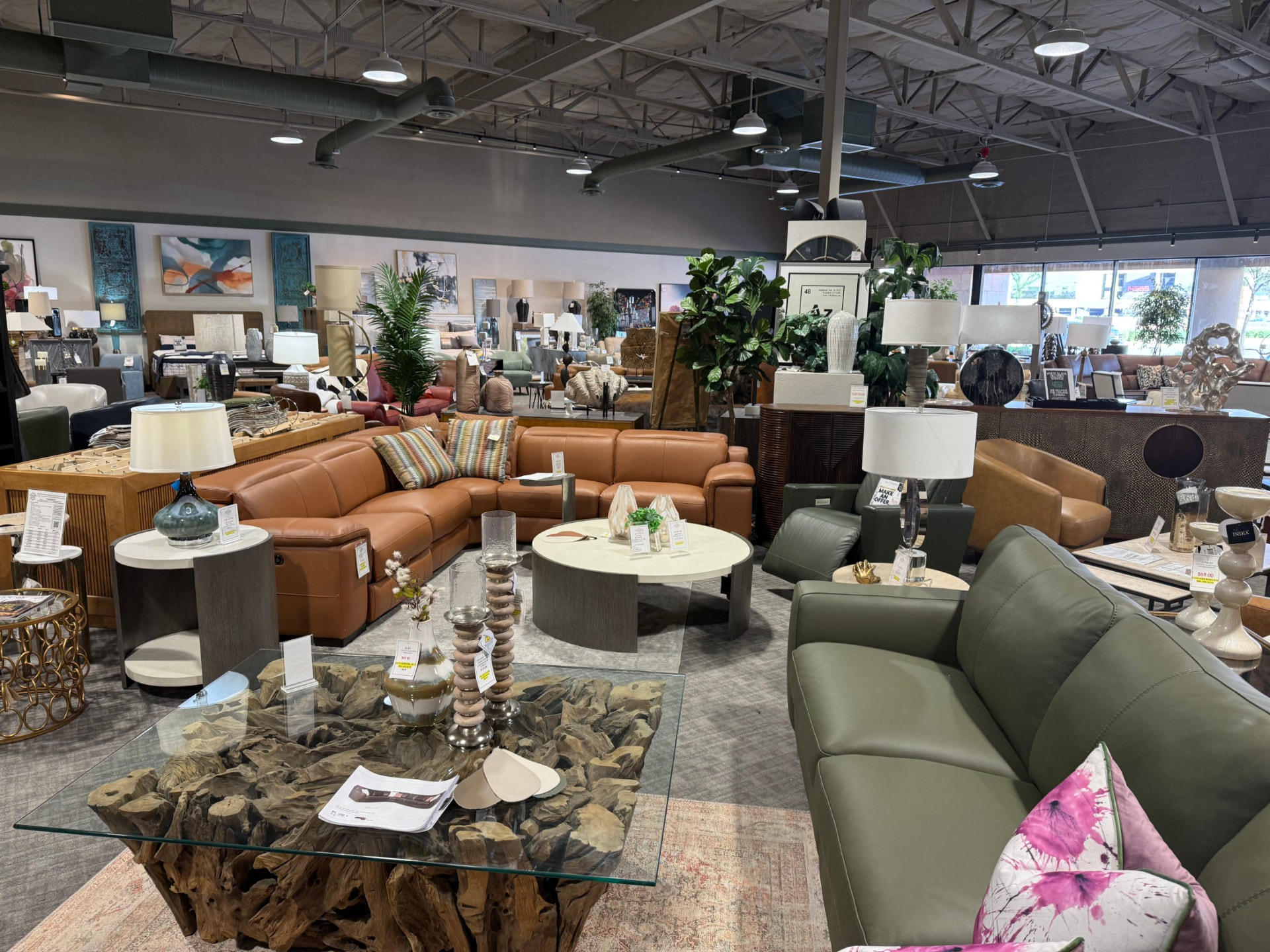
Here's the detail that changes the plan. Most Valley homes aren't furnished in a themed Southwest look at all. They lean transitional or desert modern: clean shapes, natural materials and colors borrowed from the landscape, with regional touches used sparingly.
“Arizona style isn't a theme. It's clean shapes, natural materials and colors borrowed from the landscape.”
What Are the Main Furniture Styles?
How do you tell them apart? Here's a quick guide.
| Style | Shapes and details | Materials and colors | Feels like |
|---|---|---|---|
| Traditional | Rolled arms, carving, turned legs | Rich dark woods, patterned fabrics | Formal, classic |
| Transitional | Traditional shapes simplified, clean lines | Neutral fabrics, medium woods, mixed metals | Relaxed, timeless |
| Mid-century modern | Low profiles, tapered legs, organic curves | Walnut and teak, bold accent colors | Retro, light |
| Modern and contemporary | Minimal ornament, crisp lines | Neutrals, metal, glass, light woods | Clean, current |
| Desert modern | Low, horizontal lines, open layouts | Stone, light woods, linen, warm neutrals | Calm, connected to the outdoors |
| Southwest | Heavy silhouettes, hand-forged details | Terracotta, turquoise, rustic woods, wrought iron | Warm, regional |
| Rustic and farmhouse | Simple, sturdy forms | Reclaimed or weathered wood, natural fibers | Casual, cozy |
What Is Transitional Style?
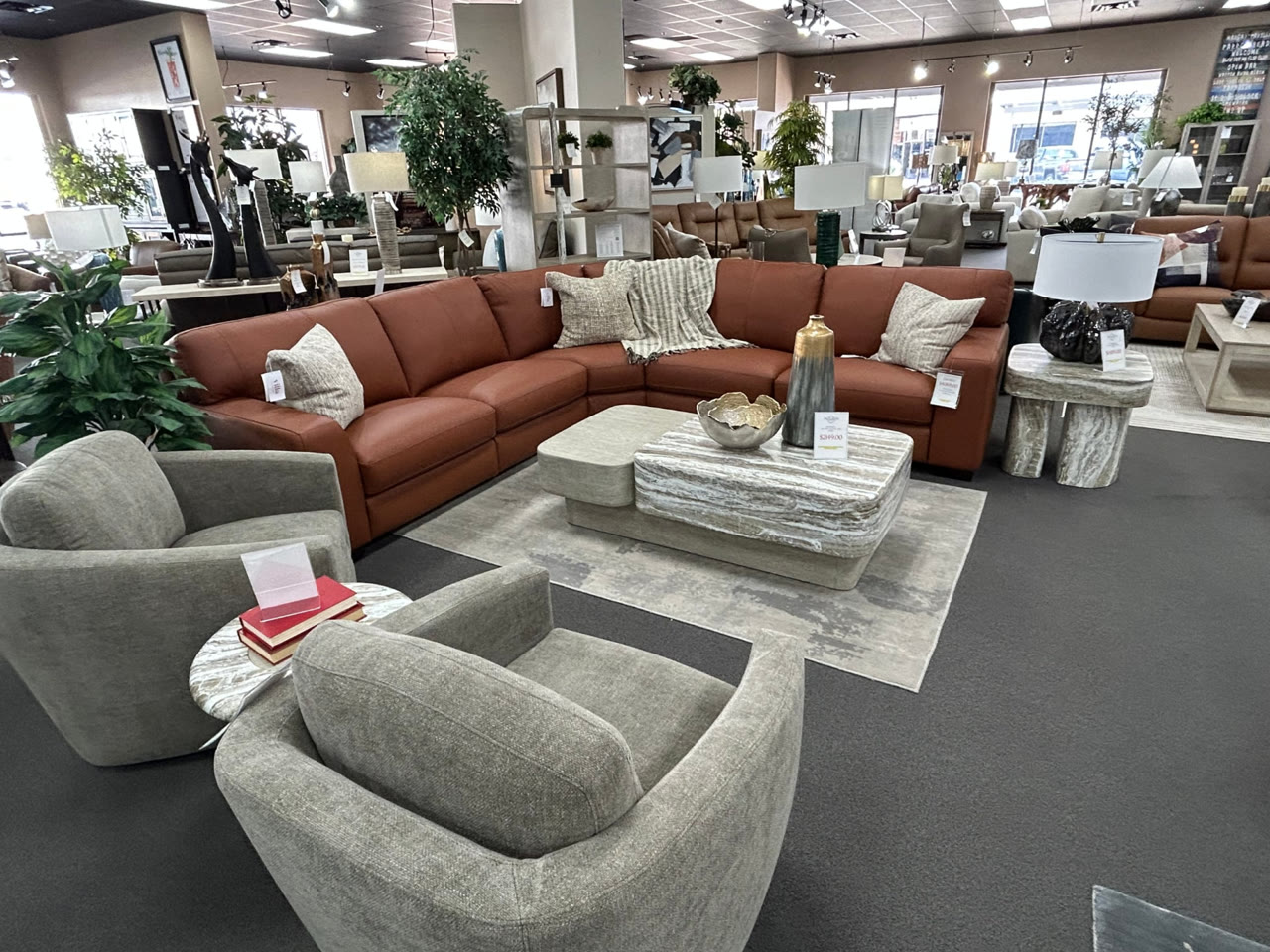
Why is it so common? Transitional design takes familiar traditional shapes, such as a rolled arm or a paneled headboard, and simplifies them with cleaner lines and quieter colors. It blends easily with what you already own, which makes it a natural fit for anyone bringing furniture from a previous home.
What Is Desert Modern?
Where does it come from? Arizona has its own modern design heritage. Frank Lloyd Wright began building Taliesin West in the foothills of Scottsdale in 1937, using native stone set with cement and desert sand, and his influence still shows in Valley homes. Desert modern borrows that idea: low, horizontal lines, natural materials and colors drawn from stone, sand and sky.
“Frank Lloyd Wright began building Taliesin West in Scottsdale in 1937, with native stone and desert sand. Desert modern still borrows the idea.”
How Do You Bring Arizona into a Room Without a Theme?
What works better than cactus prints? A few principles:
- Borrow colors from the landscape: sand, sage, clay, sky blue and the deep green of a palo verde.
- Use natural materials: stone, linen, leather, light woods and woven textures.
- Choose one or two regional pieces that matter to you, such as a handmade pot or a piece of local art, rather than a collection.
- Let the light do the work. Lighter fabrics and open layouts make the most of Arizona sun. Our guide to performance fabric covers fabrics that hold their color.
The Brandts' Seven Pieces
Carol kept two of the seven: the terracotta lamp, which works in nearly any room, and a piece of local pottery from a Scottsdale art fair. The cactus pillows went to the casita, where the grandkids love them.
“Seven themed pieces read as a gift shop. Two meaningful ones read as home.”
Can You Mix Furniture Styles?
Is it a mistake to combine traditional and modern? Not at all. Most rooms look best with a mix. Keep one style dominant, repeat colors and materials across pieces, and keep a consistent scale. Our guide to types of wood for furniture covers mixing wood tones.
What the Brandts Chose
Tom and Carol brought photos of their Minnesota furniture to our Glendale showroom. A design consultant suggested a transitional direction that let them keep their best traditional pieces, a cherry hutch among them, and add a sofa with clean lines in a sand-colored performance fabric, a stone-topped coffee table and linen drapes. The room feels like Arizona now, and like them.
Find Your Style in Person
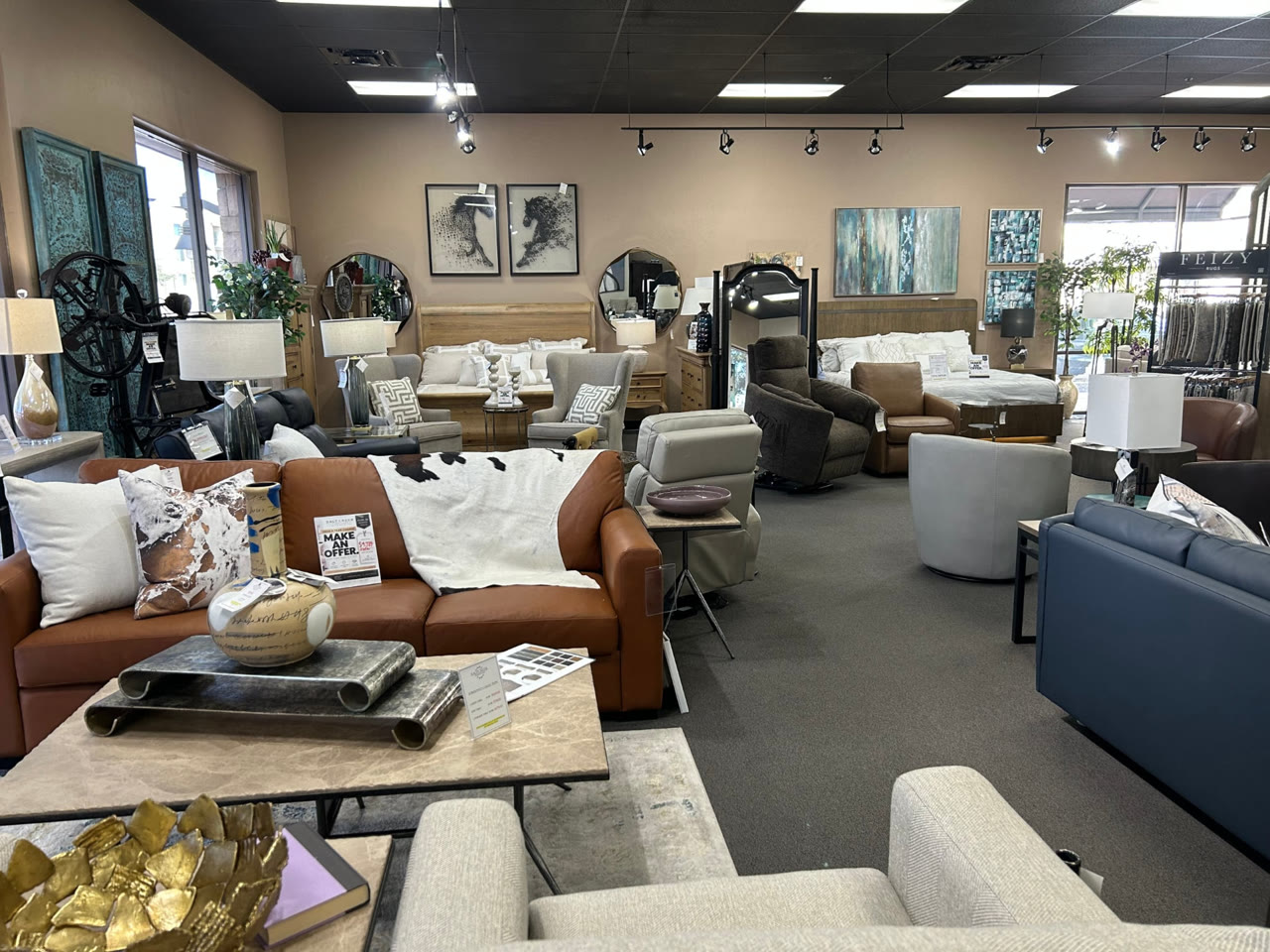
If you're not sure what to call your style, walk through a showroom and notice what you keep coming back to. Browse our living room and accessories, visit our Design Center, and see collections from Four Hands, Bernhardt, Uttermost and Arizona-built Serafina Living. New to the Valley? Read moving to Arizona.
Visit our Glendale showroom at 6950 W. Bell Rd., Suite 100, or call (623) 412-4366.
Filed Under
Frequently Asked Questions
What Is Transitional Furniture Style?
A blend of traditional shapes and modern simplicity: familiar silhouettes with cleaner lines and quieter colors.
What Is Desert Modern Design?
A style rooted in Arizona's modern design heritage, with low horizontal lines, natural materials and colors drawn from the desert.
What Is Southwest Decor?
A regional style with warm earth tones, turquoise accents, rustic woods and hand-forged details.
Can You Mix Furniture Styles in One Room?
Yes. Keep one style dominant, repeat colors and materials, and keep the scale consistent.