Office Relocation Checklist: The Furniture Timeline

Quick answer: Start planning office furniture about six months before move-in. Decide what to reuse by month five, finish the space plan and order by about month four, confirm delivery and building rules two months out, and schedule installation before the IT and moving crews. Commercial furniture often takes weeks to months to arrive, so the furniture order, not the moving truck, usually sets the real move date.

Rachel Kimura has run two office moves. The first one, at a previous company, taught her what not to do. Her current firm, a 45-person engineering practice, is moving to a new office in Tempe next spring, and this time she's starting with furniture.
Last time, furniture was the last item on the list. The lease was signed, the movers were booked and the network was planned before anyone placed a furniture order, three weeks before move-in. The desks arrived a month after the team did. For four weeks, a roomful of engineers worked on folding tables.
Putting furniture last makes sense on paper. It feels like the easy part: you pick it, you order it, it shows up.
Here's the detail that changes the plan. Commercial furniture is often made to order, and lead times, delivery windows and building install rules can add up to months. The furniture order sets the move date.
“The furniture order, not the moving truck, sets the real move date.”
When Should You Start Planning Office Furniture?
How far ahead is far enough? For an office of 20 to 100 people, about six months. Here's the timeline that works.
Six Months Out: Inventory and Decide
- Get the new floor plan from the landlord or architect.
- Inventory current furniture: desks, chairs, storage, conference and break room pieces.
- Decide what moves, what gets refurbished and what gets replaced. Old furniture that doesn't fit the new plan costs money to move and money to dispose of.
- Set a budget range. Our guide to budgeting for commercial office furniture in Arizona can help.
Five Months Out: Plan the Space
- Choose a furniture partner and walk the new space together.
- Build the space plan: workstations, private offices, conference rooms, storage and a break room.
- Plan aisles. The U.S. Access Board's accessibility guidance calls for routes at least 36 inches wide, which is a good minimum for main office aisles.
- Plan power and data with your IT team, since workstation layout and outlet locations depend on each other.
Four Months Out: Specify and Order
- Finalize models, finishes and fabrics.
- Confirm lead times for every item in writing. Longer lead items go first.
- Place the order. This is the step Rachel's first move skipped until week three.
“Last time, the furniture was ordered three weeks before move-in. For four weeks, a roomful of engineers worked on folding tables.”
Two Months Out: Confirm Delivery and Building Rules
- Confirm delivery dates and the staging plan.
- Get the building's rules: freight elevator reservations, loading dock hours, after-hours work, insurance certificates.
- Schedule installation before the movers and IT, so desks are in place when computers arrive. Our guide to office furniture installation covers what to expect.
Two to Four Weeks Out: Label and Coordinate
- Label every workstation and office with a name or number that matches the floor plan.
- Share the floor plan with movers, IT and the installation crew.
- Plan for disposal or donation of furniture you're not taking.
Move Week and After
- Walk the space with the installer before the team arrives.
- Make a punch list of adjustments, missing parts and damage.
- Close the punch list within the first two weeks.
How Much Office Space Do You Need per Employee?
Is there a standard number? Planners often work from a rough range of about 125 to 250 square feet per person, including shared space such as conference rooms, the break room and halls. The real answer comes from your floor plan: how many private offices, how many open workstations, and how much collaboration space your team needs. Our guide to private office vs open floor costs compares the options.
What Should You Buy First?
If the budget or the timeline is tight, which pieces matter most on day one? Task chairs and work surfaces, then storage, then conference and break room furniture. Our guide to what to buy first when furnishing a commercial office goes deeper, and how to phase a commercial office buildout covers spreading the work over time.
“Task chairs and work surfaces first. Everything else can follow on a phased schedule.”
How Rachel Is Planning This Move
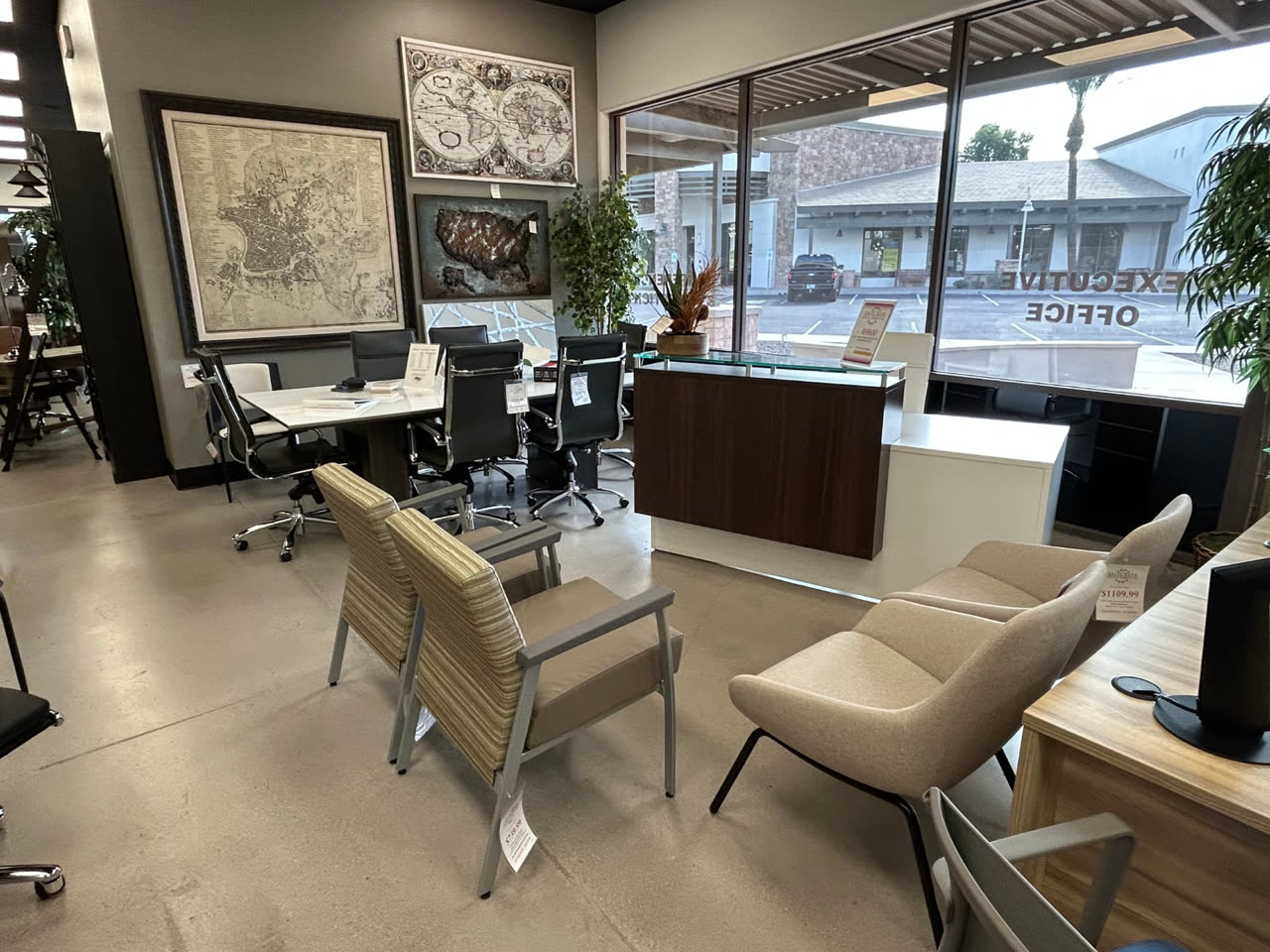
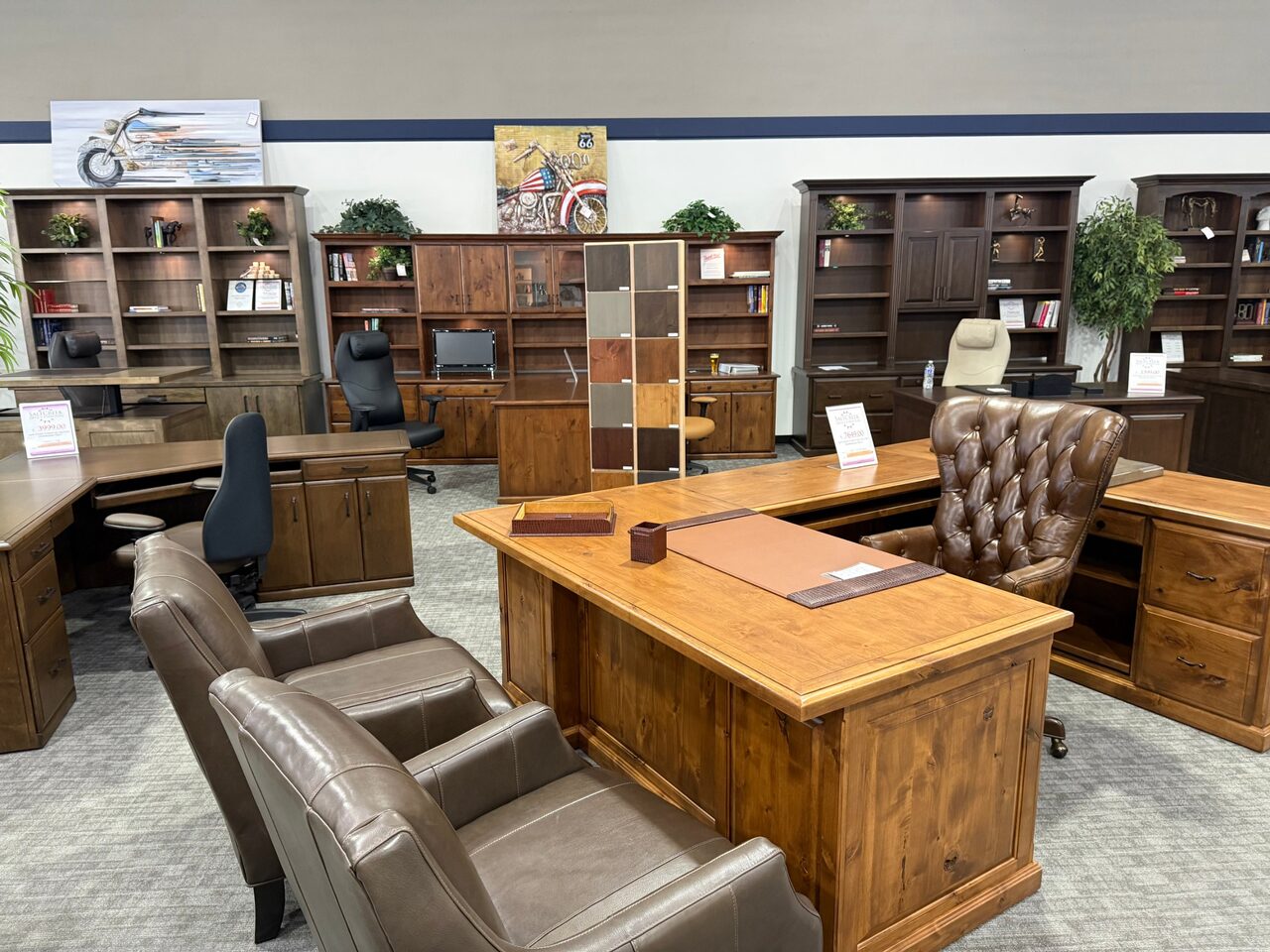
Rachel started this time with a visit to our Gilbert Office showroom, six months before the lease begins, with the floor plan and a spreadsheet of what the team already owns. A design consultant walked the Tempe space with her, built the layout and flagged which pieces carried the longest lead times. The order went in at month four. This time, the desks will be waiting when her team walks in.
Start Your Plan with Us
Salt Creek has furnished Arizona offices since the 1990s, when the business began in commercial seating. See our commercial office furniture services and browse desks, task and executive seating, conference and reception and storage, from makers such as Global Furniture Group, 9to5 Seating and Friant.
Visit our Gilbert Office showroom at 2757 S. Santan Village Pkwy., Suite 101, or call (480) 598-1900. Bring your floor plan and your move date, and we'll work backward from there.
Filed Under
Frequently Asked Questions
How Far in Advance Should You Plan Office Furniture for a Move?
About six months for a mid-size office. Order by about four months out, since commercial lead times can run weeks to months.
What Should Be on an Office Relocation Checklist?
Inventory, space plan, power and data planning, furniture order, building delivery rules, installation scheduling, labeling and a post-move punch list.
How Much Office Space Do You Need per Employee?
Planners often use roughly 125 to 250 square feet per person, including shared space. Your floor plan and work style decide the real number.
Should Furniture Be Installed Before the Move?
Yes. Install furniture before IT and the movers arrive, so workstations are ready when equipment and people show up.